Why you should try Aromatherapy?
Overview
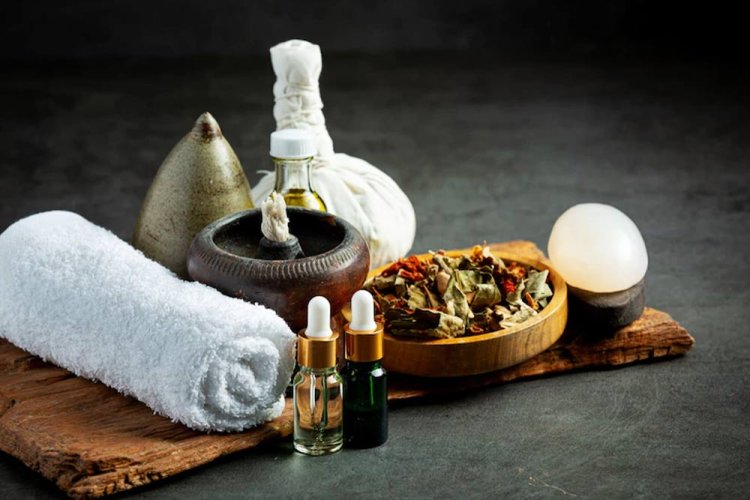
If you're looking for a way to improve your health, from anxiety to poor sleep, aromatherapy might be a good option. You use essential oils, which are plant extracts, in this type of treatment by inhaling them through your nose or applying them to your skin. When getting a massage or taking a bath, some people apply the oils to their skin.
Aromatherapy is a holistic healing treatment that promotes health and well-being by using natural plant extracts. It's also known as essential oil therapy. Aromatherapy is a type of medicine that uses aromatic essential oils to improve the health of the body, mind, and spirit. It improves both physical and mental well-being.
Aromatherapy is regarded as both a science and an art. Aromatherapy has recently gained popularity in the fields of science and medicine.
Using Aromatherapy
Aromatherapy has been used by humans for thousands of years. Aromatic plant components were used in resins, balms, and oils by ancient cultures in China, India, Egypt, and other places. These organic compounds were used for medical and religious purposes. They were thought to have physical as well as psychological benefits.
Aromatherapy is typically used topically or through inhalation.
Inhalation:
The oils can be diffused into the air with a diffuser container, a spray, or oil droplets, or they can be breathed in, as in a steam bath.
Aromatherapy oils can help with respiratory disinfection, decongestion, and psychological benefits in addition to providing a pleasant scent.
Inhaling essential oils stimulates the olfactory system, which includes the nose and the brain, and is connected to smell.
Molecules that enter the body through the nose or mouth travel to the lungs, where they are then transported to other parts of the body.
The limbic system, which is linked to emotions, heart rate, blood pressure, breathing, memory, stress, and hormone balance, is affected by the molecules as they reach the brain. Essential oils can have a subtle, yet holistic effect on the body in this way.
Topical Application:
Bath and skincare products, as well as massage oils, are absorbed through the skin. Massage the area where the oil will be applied can help to improve circulation and absorption. Some argue that areas with more sweat glands and hair follicles, such as the head or the palms of the hands, can better absorb the oils.
Essential oils are never applied to the skin directly. They must be diluted with a carrier oil at all times. The concentration is usually a few drops of essential oil per ounce of carrier oil. Sweet almond oil or olive oil is the most common carrier oils.
Aromatherapy should not be used in place of standard medical treatment. Aromatherapy, on the other hand, has been shown to have health benefits in some cases. It's possible that:
- Reduce anxiety, stress, and depression
- Relaxation feelings will be enhanced.
- Boost your sleep quality
- Assist people with long-term illnesses in improving their quality of life.
- Dementia and other health issues
- Certain types of pain, such as kidney pain, can be relieved.
- Osteoarthritis of the knee and stones
- When you put them on your skin, they fight bacteria.
- Some cancer treatment side effects, such as nausea and pain, can be alleviated.
Aromatherapy Treatment work
Aromatherapy uses products like these to work through the sense of smell and skin absorption:
- diffusers
- spritzers with essential oils
- inhalers
- salts for bathing
- Massage or topical oils, creams, or lotions for the body
- application
- steamers for the face
- compresses, both hot and cold
- masks made of clay
These can be used individually or in any combination.
Benefits of Aromatherapy
Aromatherapy is a type of complementary medicine. It is not a cure for diseases, rashes, or illnesses, but it can aid in the treatment of a variety of ailments.
Aromatherapy has many benefits that are:
- control the pain
- improve the quality of your sleep
- reduces agitation, anxiety, and stress
- soothe aching joints
- migraines and headaches are treated
- Chemotherapy side effects can be reduced.
- Ease discomforts of labor
- fend off bacteria, viruses, and fungi
- enhance digestion
- increase the quality of hospice and palliative care
- improve your immune system
Conditions to be treated
Aromatherapy has the potential to treat many conditions including:
- insomnia
- asthma
- fatigue
- depression
- inflammation
- peripheral neuropathy
- menstrual issues
- alopecia
- cancer
- erectile dysfunction
- arthritis
- menopause
Essential Oils do
The different oils have different uses and effect
- Basil essential oil is used to sharpen concentration and relieve some of the symptoms of depression. It may relieve headaches and migraines. It should be avoided during pregnancy.
- Bergamot essential oil is useful for the urinary tract and digestive tract. When combined with eucalyptus oil it may help relieve skin problems, including those caused by stress and chickenpox.
- Black pepper essential oil is commonly used for stimulating circulation, muscular aches and pains, and bruises. Combined with ginger essential oil, used for arthritis pain and to improve flexibility.
- Chamomile essential oil can treat eczema
- Citronella essential oil is a relative of lemongrass and acts as an insect repellent.
- Clove essential oil is a topical analgesic (pain reliever) that is frequently used to treat toothaches. It's also used as an antispasmodic antiemetic to prevent nausea and vomiting, as well as a carminative to keep the stomach empty. Antimicrobial, antioxidant, and antifungal properties are all present.
- Eucalyptus essential oil during a cold or flu, can help to clear the airways. It's frequently mixed with peppermint. Because many people are allergic to eucalyptus, caution is advised.
- Geranium essential oil can be used to treat skin problems, relieve stress and repel mosquitos.
- Lavender essential oil is used to treating minor cuts and burns, as well as to promote relaxation and sleep. It is said to help with headaches and migraines.
- Lemon essential oil is said to improve mood and relieve stress and depression symptoms.
- Jasmin essential oil it's been called an aphrodisiac. While there is no scientific evidence, research has shown that jasmine increases beta waves, which are linked to alertness. It may increase penile blood flow as a stimulant.
- Rosemary essential oil can help with hair growth, memory, muscle spasms, and circulatory and nervous system support.
- Tea tree essential oil is said to have antimicrobial, antiseptic, and disinfectant properties, according to Trusted Source. It is commonly used to treat acne, burns, and bites in shampoos and skincare products. It's found in mouthwashes, but it's toxic and should never be swallowed.
- Thyme essential oil is thought to aid in the reduction of fatigue, nervousness, and stress.
- Yarrow essential oil is used to relieve cold and flu symptoms as well as joint inflammation.
- Sandalwood essential oil is some people believe it has aphrodisiac properties.
Aromatherapy may be harmful to the developing fetus during the first trimester of pregnancy. Peppermint essential oil should be avoided by breastfeeding women because it can be expressed in breast milk.
Citrus essential oils may increase the risk of sunburn by making the skin more sensitive to ultraviolet light.
Some oils may interfere with the function of conventional medicines, so anyone taking any kind of medication should consult a qualified pharmacist or doctor first.
Finally, when using essential oils, keep in mind that light, heat, and oxygen can compromise the oil's integrity. To ensure quality, products should come from a reputable and reliable source.
What's Your Reaction?