All you need to know about Arthritis
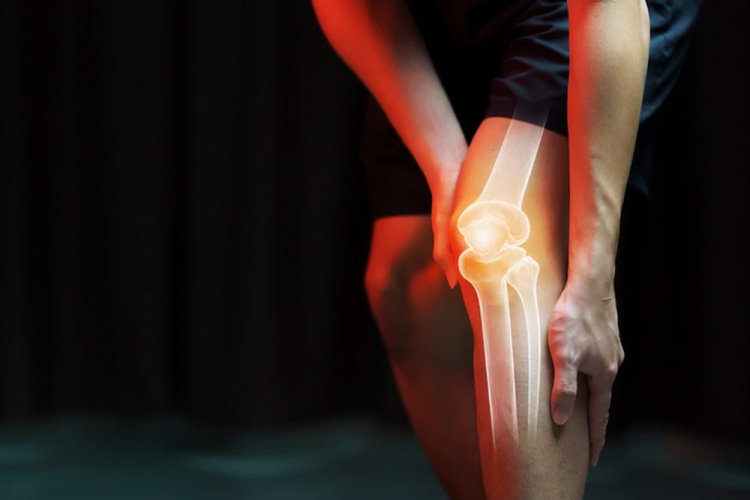
Arthritis is a joint disease that affects many people. It can cause inflammation and pain, making it difficult to move or remain active. Arthritis comes in a variety of forms. Each type has its own set of symptoms and may require different treatments. While arthritis is most commonly associated with the elderly, it can affect men, women, and children of any age.
Arthritis is a joint disease that affects people of all ages (areas where your bones meet and move). Arthritis is characterized by joint inflammation or degeneration (wear and tear). When you use the joint, these changes can cause pain.
Arthritis is most commonly found in the following body parts:
• Feet.
• Hands.
• Hips.
• Knees.
• Back of the neck
Osteoarthritis (OA) is the most common types of arthritis. Other common types include:
- Rheumatoid arthritis (RA)
- Psoriatic arthritis (PsA)
- Gout
The symptoms of arthritis usually develop over time, but they may also appear suddenly. The typical age for developing rheumatoid arthritis (RA) is between ages 30 and 50. It can, however, affect children, teens, and younger adults.
Osteoarthritis (OA) commonly develops after the age of 50 or 60 years, but there are studies that reveal radiographic evidence of OA occurring in women in their 40s. It also tends to be more prevalent in individuals who are overweight.
Symptoms of arthritis
Joint pain, stiffness, and swelling are the most common symptoms of arthritis. Your symptoms may also become worse when you first get out of bed in the morning or when you stand up after a long period of rest.
Other osteoarthritis symptoms include:
- restricted range of motion that disappears after movement
- Bending causes clicking or popping.
- muscle weakness in the joint area
- buckling or instability of the joint
- fingers with bony growths
- In the knees, there is a grating or scraping sensation.
Other rheumatoid arthritis symptoms include:
- Morning stiffness that lasts 30 minutes or longer and affects more than one joint
- Symptoms first appear in smaller joints such as the feet and hands.
- Fatigue affects the same joints on both sides of the body
- Fever of a low intensity
- The eyes and mouth are inflamed.
- The heart muscle and blood vessels are inflamed.
- a low number of red blood cells
Causes of Arthritis
Arthritis may be caused by:
- Overuse of a joint causes wear and tear.
- the years (OA is most common in adults over age 50)
- injuries
- obesity
- autoimmune conditions
- Genes or a family tree
- muscle wasting
Types of Arthritis
There are two main types of Arthritis:
- Osteoarthritis
Osteoarthritis, the most common type of arthritis, is caused by wear and tear on a joint's cartilage, which is the hard, slick coating on the ends of bones that form a joint. Cartilage cushions the ends of the bones and allows for nearly frictionless joint motion, but enough damage can result in bone grinding directly against bone, causing pain and limiting movement. Wear and tear can build up over time or be accelerated by a joint injury or infection.
Osteoarthritis also affects the bones, as well as the connective tissues that connect muscle to bone and hold the joint together. The joint lining may become inflamed and swollen if the cartilage in the joint is severely damaged.
- Rheumatoid Arthritis:
The autoimmune disorder RA is another common form of arthritis. It happens when your immune system attacks your body's tissues, causing inflammation in your joints and other body organs.
The synovium, a soft tissue in your joints that produces a fluid that nourishes the cartilage and lubricates the joints, is affected by this inflammatory response in the joints, eventually destroying both bone and cartilage inside the joint.
It's unclear what causes the immune system's attacks. However, scientists have discovered genetic markers that fivefold increase your chances of developing RA.
Arthritis Treatment
The main goal of treatment is to reduce the amount of pain you're in while also preventing further joint damage. In terms of pain management, you'll discover what works best for you.
In general, arthritis treatment includes a combination of the following:
Supplements and medications
- therapy for the body
- therapy (occupational)
- a nutrient-dense diet
- regular physical activity
- If necessary, weight loss
- compresses (both hot and cold)
- Canes and walkers are examples of mobility aids.
It's also crucial to improve your joint function. To achieve the best results, your doctor may prescribe a combination of treatment methods.
Medications
Arthritis is treated with a variety of medications, including:
Analgesics like hydrocodone (Vicodin) and acetaminophen (Tylenol) are good for pain relief but not for reducing inflammation.
Nonsteroidal anti-inflammatory drugs (NSAIDs), such as ibuprofen (Advil) and salicylates, are used to treat inflammation and pain. Because salicylates can thin the blood, they should not be combined with other blood thinners.
Menthol or Capsaicin creams. These creams prevent pain signals from being transmitted from your joints.
Steroids, such as prednisone, can help reduce inflammation, but they should only be used for short periods of time.
Immunosuppressants:Anti-inflammatories and biologics are two types of Immunosuppressants. For moderate to severe inflammatory arthritis, such as RA, immunosuppressants and biologics are prescribed.
Your doctor may prescribe corticosteroids or disease-modifying antirheumatic drugs (DMARDs) to suppress your immune system if you have RA.
Early in the course of RA, DMARDs and biologics are prescribed. Methotrexate is now considered a first-line treatment for cancer.
Supplement
While many herbs and supplements marketed for arthritis lack clinical evidence and safety data, there are a few supplements that may be beneficial. Avocado and soybean unsaponifiable (ASU), for example, may help with OA symptoms. Inflammation in RA may be reduced by taking fish oil and turmeric supplements.
However, before taking any supplements for arthritis, consult your doctor to ensure that they are safe for you and will not interact with any medications you are currently taking.
Surgery
Surgery to replace your joint with an artificial one may be an option. Hips and knees are the most common replacements for this type of surgery.
Your doctor may recommend joint fusion if your arthritis is particularly severe in your fingers or wrists. The ends of your bones are fused together in this procedure, removing the joint and thus the source of inflammation.
Physical Therapy
Physical therapy, which includes exercises to strengthen the muscles surrounding the affected joint, is an important part of arthritis treatment.
Outside of your appointments, your physical therapist will most likely suggest a treatment plan that includes daily movement and exercises that you can do at home. These can all work together to improve mobility and prevent falls by increasing strength, flexibility, and balance.
Risk Factors
The overall risk factors for arthritis include:
- Obesity:Being overweight puts additional stress on weight-bearing joints in the body, such as your knees and hips, which is linked to OA. Losing weight can help you reduce your risk of developing arthritis, as well as help you manage it if you already have it.
- Gender and age. Arthritis is more likely to develop as you get older. In addition, women are more likely than men to develop most types of arthritis. Gout, on the other hand, is more common in men.
- Overuse injuries: Repetitive stress injuries from sports, work, or other activities can raise your risk of developing OA in the affected joint(s) later in life.
- Your genes:A family history of autoimmune diseases, as well as certain inherited genes, can increase your chances of developing RA and other types of arthritis.
- Smoking: If you smoke, you may increase your risk of developing RA, and smoking can exacerbate this autoimmune disease.
What's Your Reaction?