Important things to know about Allergies
Overview
Allergies are the immune system reaction to something that does not bother most people. Allergies suffer frequently have multiple sensitivities. This can include certain type of food, pollen, or pet dander.
The duty of your immune system is to keep you healthy by fighting against harmful pathogens.
It accomplishes this by attacking anything that it believes may endanger your body. This reaction may include inflammation, sneezing, or a variety of other symptoms, depending on the allergen.
A substance called an antibody is produced by your immune system. Your immune system produces antibodies when you have allergies that label a specific allergen as harmful, even if it isn’t. When you come into contact with an allergen, your immune system’s reaction may cause inflammation of your skin, sinuses, airways, or digestive system.
Allergies vary in severity from person to person and can range from minor irritation to anaphylaxis- a potentially fatal emergency. When most allergies cannot be cured, some treatments can help alleviate your allergy symptoms.
Types of Allergies
You can get allergies from a wide variety of substances such as:
- Drugs & Medications:
The reaction to medicines is relatively most common. These reactions, however, vary in intensity. One person may develop a rash and/ or swelling, while another may experience breathing difficulties. An allergic reaction to the medication accounts for 5-10% of all drug reactions. Antibodies (penicillin), aspirin/nonsteroidal anti-inflammatory medications, chemotherapy, monoclonal antibody therapy, and anticonvulsants are the most common drugs that cause adverse reactions. The risk of developing a drug allergy increases if you take the medications frequently, if it physically touches your skin, or if it administered via injection.
- Food Allergy:
Food allergy is an immune system reaction that occurs shortly after consuming a specific food. Even a trace amount of the allergy-causing food can cause symptoms such as digestive issues, hives or swollen airways. A food allergy happens when your body’s natural defenses overreact to a specific substance, mistaking it for an intruder and releasing chemicals to defend against it.
- Seasonal Allergy:
Seasonal allergies can also be referred to as "hay fever" or "seasonal allergic rhinitis." These allergy symptoms occur at specific times of the year, typically when trees, grasses, and weeds release tiny pollen particles into the air to fertilize other plants.
- Severe Allergy:
Severe Allergic reaction or Anaphylaxis, is a rare, life-threatening emergency in which your body’s reaction to the allergen is sudden and affects the entire body. Severe Allergic Reaction can start with severe itching of the eyes or face. Within minutes, more serious symptoms emerge, such as throat swelling (which may cause swallowing and breathing difficulties), abdominal pain, cramps, vomiting, diarrhea, hives, and swelling (angioedema). Because anaphylaxis can cause a drop in blood pressure, you may also experience mental confusion or dizziness.
- Skin Allergies:
A skin allergy occurs when your skin becomes irritated because of the immune system that reacted when something is usually harmless. This is what we call an allergic reaction. A skin allergy can cause, rash, itching, burning, redness, bumps, hives, and swelling. Many different allergens can cause a reaction.
SYMPTOMS
Allergy symptoms depend on the substance in the situation and can impact your airways, sinuses, and digestive system. Allergic reactions can be mild or severe. Allergies can cause a potentially fatal reaction known as anaphylaxis in severe cases.
- Mild reaction
- Symptoms of a mild allergic reaction can include:
- hives, or itchy red spots on the skin
- rash
- itching
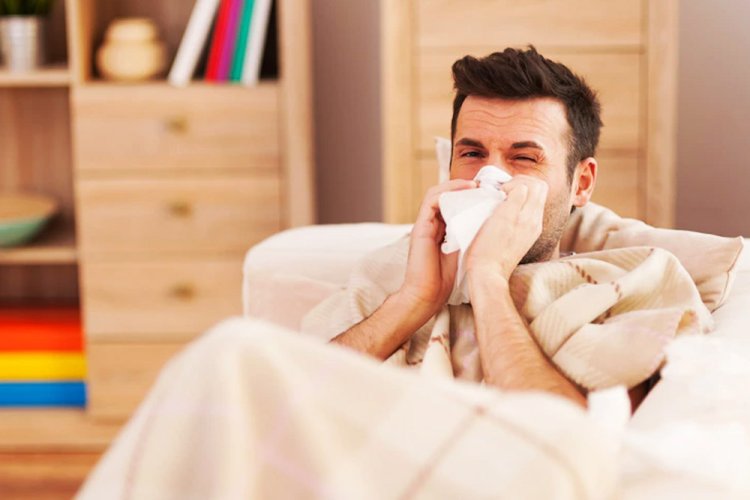
- allergic rhinitis, which may lead to symptoms such as nasal congestion or sneezing
- scratchy throat
- watery or itchy eyes
- Severe reaction
- Severe allergic reactions (usually to foods, insect stings, and medications) can cause the following symptoms:
- abdominal cramping or pain
- diarrhea
- nausea or vomiting
- pain or tightness in the chest
- difficulty swallowing
- difficulty breathing
- wheezing
- fear or anxiety
- heart palpitations
- flushing of the face
- swelling of the face, eyes, or tongue
- dizziness or vertigo
- weakness
- unconsciousness
Causes of Allergy
When a normally harmless foreign substance enters the body, the immune system triggers an allergic reaction.
Allergies are genetic in nature. As a result, parents can pass them on to their children. However, only a general proclivity to allergic reactions is inherited. Specific allergies are not inherited. For example, if your mother’s allergies are not inherited. For example, if your mother is allergic to shellfish, it does not necessarily mean that you’ll be, too.
Common types of Allergies that are:
- Animal products include:Pet dander, dust mite waste, and cockroaches are examples of these.
- Drugs:Penicillin and sulfa drugs are frequently used as triggers.
- Foods:Allergies to wheat, nuts, milk, shellfish, and eggs are common.
- Stings from insects.Bees, wasps, and mosquitoes are examples of these.
- Mold:Mold spores in the air can cause an allergic reaction.
- Plants:Plant allergens include pollen from grass, weeds, and trees, as well as resin from plants such as poison ivy and poison oak.
- Other allergens include:Latex, which is commonly found in latex gloves and condoms, as well as metals such as nickel, which are also common allergens.
Some of the most common allergies are seasonal allergies, also known as hay fever. These are caused by pollen from plants. They are responsible for:
itchiness in the eyes
- teary eyes
- coughing with a runny nose
Preventions
There is no other way to prevent allergies. But there are so many ways to prevent the symptoms or signs from occurring in your body. The most effective way to avoid allergy symptoms is to avoid the allergens that cause them.
The most effective way to prevent food allergy symptoms is to avoid them. An elimination diet can assist you in determining the source of your allergies so that you can avoid them in the future. To avoid food allergens, read food labels carefully and ask questions when dining out.
Medications:
The medications can help to get relieve allergic symptoms by reducing the body’s immune system reaction.
Stuffed toys avoidable:
The stuffed animals should not be allowed in children’s beds because they trap dust and other allergens.
Avoid carpets and rugs:
They trap allergens, if you have carpet, vacuum as frequently as possible.
Clean air conditioner filters on a regular basis:
Your filter captures many of the allergen-causing fibers, pollen, dust, and other particles that can cause an allergic reaction
Keep an allergy journal:
Keep track of what causes or worsens your symptoms, as well as the foods you eat and the activities you engage in to help you feel better.
Avoid foods that cause inflammation:
For some people, allergies can cause more inflammation in the body, triggering a chain reaction that worsens conditions like psoriasis, arthritis, and acne. Reduce your intake of inflammatory foods and beverages, such as sugary soft drinks, chips, processed foods, and candy.
and acne. Reduce your intake of inflammatory foods and beverages, such as sugary soft drinks, chips, processed foods, and candy.
What's Your Reaction?