What do you need to know about acne?
Overview
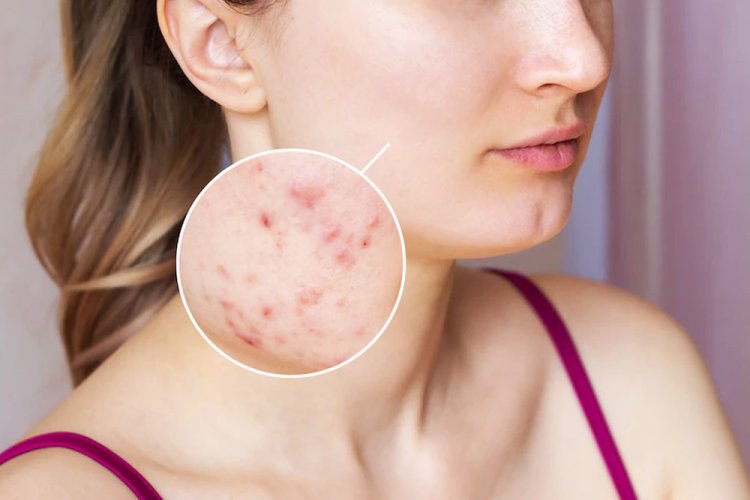
Your skin has so many tiny holes called pores that become blocked by oil, bacteria, dead skin cells, and dirt. When this happens, you may get a pimple, also known as a zit or blemish.
If you get pimples frequently, especially several at once, you may have acne. Acne, in other words, is a skin condition that causes pimples.
While acne does not endanger your overall health, it can be painful, especially if you have severe acne. Acne can cause scarring over time.
Acne, without a doubt, can contribute to emotional distress. Acne and acne scars on your face and other visible body parts can have an impact on your self-esteem and confidence, and they can even contribute to feelings of anxiety or depression.
Acne is a common skin condition, so you're not alone. Also, keep in mind that acne is very treatable. There are a number of effective treatments available, so you have options for reducing the number of pimples you get and lowering your risk of scarring.
Types of Acne
Acne can manifest itself in a variety of ways. They are as follows:
- Blackheads are open bumps on the skin that fill with dead skin and excess oil. The dark spots appear to be dirt deposited in the bump, but they are actually caused by an irregular light reflection off the clogged follicle.
- Whiteheads are bumps that are sealed shut by oil and dead skin.
- Papules: Inflammatory small red or pink bumps.
- Pustules are pus-filled pimples. They resemble whiteheads with red rings around them. If picked or scratched, they can leave scars.
- Pityrosporum folliculitis (fungal acne): This type occurs when an excess of yeast develops in the hair follicles. They may become irritated and inflamed.
- Nodules: Deep in your skin, solid pimples. They're big and painful.
- Cysts are pustular pimples. Scarring can result from these.
Symptoms
Acne can appear almost anywhere on your body, but it is most commonly found on your:
- neck and face
- back
- shoulders
- chest
Pimples can cause your skin to be rough and uneven.
Acne can cause the following symptoms:
- Skin discoloration, such as dark patches or spots (hyperpigmentation), as well as redness
- Inflammation and swelling
- When touched or not, there is pain and tenderness.
Acne breakouts can also leave your skin scarred or discolored.
Popping pimples increases your chances of scarring, so avoid squeezing — no matter how tempting it is to pop the pimple right away.
Causes of Acne
Acne is primarily a hormonal condition caused by androgen hormones, which become active during the adolescent and young adult years. Acne can be caused by sensitivity to these hormones, in combination with surface bacteria on the skin and fatty acids within oil glands.
Acne develops when your skin's pores become clogged with oil, dead skin, or bacteria.
Every pore in your skin leads to a follicle. The follicle is composed of hair and an oil gland.
The oil gland secretes sebum (oil), which travels up the hair shaft, out the pore, and onto the skin. Sebum keeps your skin soft and lubricated.Acne can be impacted by one or more errors in the lubrication process.
Certain factors can cause or worsen acne:
- Hormone levels fluctuate around the time of a woman's period.
- Acne sores are picked at.
- Hats and sports helmets are examples of clothing and headgear.
- Certain weather conditions, particularly high humidity, and air pollution
- Using oily or greasy personal care products (such as heavy lotions, creams, or hair pomades and waxes) or working in an environment where you are frequently exposed to grease (such as working at a restaurant where there are greasy food surfaces and frying oil).
- Acne flare-ups can be exacerbated by stress, which raises the hormone cortisol.
- Some medicines.
Any of these issues can result in pimples, which form when bacteria grow in a clogged pore and the oil is unable to escape.
- Is chocolate a cause of acne?
Certain foods and diets have been linked to acne in some studies. Acne flare-ups may be exacerbated by skim milk, whey protein, and high-sugar diets. Acne has not been directly linked to chocolate.
- Why do so many teenagers suffer from acne?
Acne is caused by an increase in androgens (specifically testosterone), which both men and women produce. Those hormones are typically at their peak during the adolescent years.
- Do certain foods contribute to acne?
Acne is mostly caused by hormonal changes in the body. Although there is some evidence that skim milk, whey protein, and high-sugar diets may cause acne breakouts, this remains debatable.
Eating a well-balanced, nutritious diet rich in fresh fruits and vegetables, particularly those high in vitamin C and beta carotene, can help reduce inflammation. There is also some evidence that eating fish may be beneficial.
Can acne result in scarring?
Scarring can occur as a result of acne. It occurs when acne enters the skin and damages the deeper layers. Acne pores swell as a result of inflammation, and the pore wall breaks down. Scarring can, of course, cause anxiety, which is natural. However, before it can be treated, your doctor will need to determine what type of acne caused the scars.
There are several treatment options available. Acne scars can be treated with chemical peels, dermabrasion, laser resurfacing, microdermabrasion, and surgery.
Prevention
Although it is not always possible to completely prevent acne, there are some things you can do at home to reduce your chances of getting pimples or acne breakouts.Acne prevention during normal hormonal changes is difficult, if not impossible.
Consider the following suggestions that prevent you from acne:
- Use an oil-free cleanser to wash your face every day.
- To help remove excess oil, use an over-the-counter acne cleanser.
- Use water-based makeup or "non-comedogenic" products, which are less likely to clog your pores.
- Avoid using oil-based skincare and makeup products.
- Before going to bed, always remove your makeup and thoroughly cleanse your skin.
- After working out, take a shower or wash your face.
- Tie long hair back to keep it out of your face.
- Tight-fitting hats, headbands, and clothing that covers breakout-prone areas should be avoided.
- Maintain a healthy diet and stay hydrated.
- Take steps to alleviate stress.
A dermatologist can provide additional advice and tips on how to manage and prevent acne.
What's Your Reaction?