Antibiotics: How Do They Work?

Overview
Antibiotics are potent medicines that fight certain infections and, when used correctly, can save lives. They either prevent bacteria from reproducing or kill them.
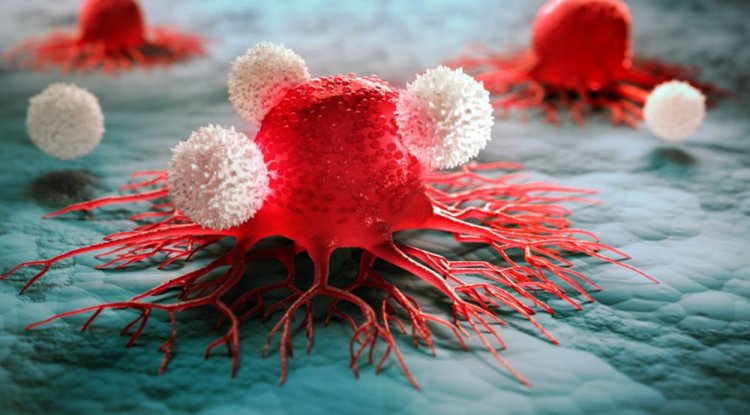
Bacteria are typically killed by the immune system before they multiply and cause symptoms. White blood cells (WBCs) attack harmful bacteria, and even if symptoms appear, the immune system is usually able to cope with and fight off the infection.
However, there are times when the number of harmful bacteria is excessive, and the immune system is unable to combat them all. Antibiotics come in handy in this situation.
Antibiotics are still powerful, life-saving medications for people suffering from certain serious infections today. They can also keep less serious infections from worsening.
There are numerous antibiotic classes. Certain antibiotics are most effective against specific types of bacterial infections.
Antibiotics are available in a variety of forms, including:
- tablets
- capsules
- liquids
- creams
- ointments
Most antibiotics are only available with a doctor's prescription. Some antibiotic creams and ointments are available without a prescription.
How do antibiotics fight bacteria?
There are various antibiotics that work in ways:
- Bactericidal antibiotics like penicillin kill bacteria. These drugs usually inhibit the formation of the bacterial cell wall or its contents.
- Bacteriostatic agents prevent bacteria from multiplying.
- attacking the bacteria's outer wall or coating
- interfering with the reproduction of bacteria
- preventing bacterial protein production
Uses of Antibodies
Antibiotics are drugs that are used to treat bacterial infections. Because the symptoms are often very similar, determining whether your infection is caused by bacteria or a virus can be difficult.
Your healthcare provider will assess your symptoms and perform a physical exam to determine the source of your infection. In some cases, they may ask for a blood or urine test to determine the source of the infection.
Among the most common bacterial infections are:
Infections of the urinary tract (UTIs)
Infections of the sinuses and ears
throat infection
Antibiotics have no effect on viruses like the common cold or flu. They also do not work on fungi-caused infections, such as:
- Candida infections
- The athlete's foot
- Toenail fungus infections
- ringworm
These are treated with a different class of drugs known as antifungals.
Common Side Effects
The majority of antibiotics have similar side effects. The most common side effect is gastrointestinal (GI) upset, which includes:
- diarrhea
- nausea
- vomiting
- rash
- stomach ache
Fungal infections of the mouth, digestive tract, and vagina occur as a result of certain antibiotics or prolonged use.
These side effects can be reduced in some cases if the antibiotic is taken with food. Some antibiotics, however, must be taken on an empty stomach. Consult your doctor or pharmacist to determine the best way to take your antibiotic.
These side effects can be reduced in some cases if the antibiotic is taken with food. Some antibiotics, however, must be taken on an empty stomach. Consult your doctor or pharmacist to determine the best way to take your antibiotic.
GI upset usually subsides once treatment is discontinued. If it does not, contact your doctor. Also, contact your doctor if you experience:
- When taking sulphonamides, kidney stones can form.
- when taking certain cephalosporins, abnormal blood clotting)
- Sun sensitivity when taking tetracyclines
- When taking trimethoprim, you may experience blood disorders.
- When taking erythromycin and aminoglycosides, you may experience deafness.
What questions should be asked about antibiotic treatment?
It is critical to understand what is going on with your or your loved one's care. Here are some key questions caregivers and patients should ask about antibiotic treatment:
What infection is being treated by this antibiotic? How does the medical team know that's the case?
What are the possible side effects of this antibiotic?
How long should you take these antibiotics?
Are there any special instructions for taking this antibiotic, such as which medications or supplements should be avoided, or whether it should be taken with food?
What tests or monitoring will be performed during treatment to demonstrate that the antibiotic is effective?
What's Your Reaction?